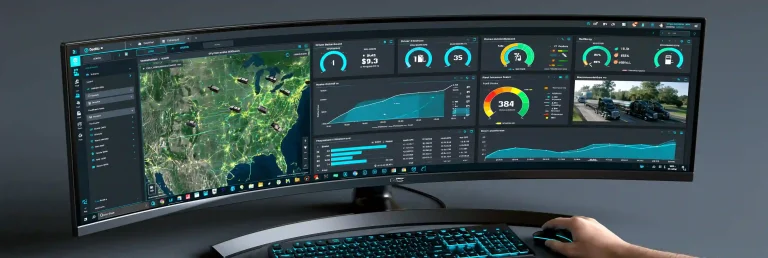
What the FMCSA’s Push Toward Digital Audits Means for Owner-Operators
For years, a DOT audit meant boxes of paper logs, handwritten DVIRs, and a compliance officer spending days pulling records. That model is rapidly becoming a thing of the past. The FMCSA’s push toward fully digital audit processes is accelerating in 2026 — and owner-operators who aren’t prepared are carrying more compliance risk than they realize.

What’s Actually Changing
The FMCSA has been steadily building the infrastructure for remote, data-driven compliance reviews. Rather than waiting for an on-site audit, inspectors and compliance officers can increasingly request electronic records of duty status (eRODS) transfers directly from a carrier’s ELD system and analyze them off-site.
This means a compliance review can happen faster, cover more data, and identify discrepancies that would have been missed in a manual paper review. Patterns that look fine in isolation — a slightly short off-duty break here, an unusual duty status edit there — become much more visible when analyzed across weeks of digital records.
| “Digital audits don’t give carriers less scrutiny. They give regulators more of it — faster, and at scale.” |
The Revoked Device Risk
One issue that catches owner-operators off guard is the ongoing FMCSA crackdown on non-compliant ELD devices. In 2026, the agency has continued removing devices from its registered list at a significant pace — and carriers using a revoked device face serious consequences: drivers placed out-of-service at roadside, citations for 395.8(a)(1), and no-record-of-duty-status violations that damage CSA scores.
The FMCSA allows a 60-day transition period after a device is revoked, but owner-operators who don’t monitor the registered device list regularly may not find out until a roadside inspection reveals the problem.
- Check the FMCSA registered ELD list at eld.fmcsa.dot.gov at least once per quarter
- Sign up for FMCSA email notifications about revoked devices
- Verify your device’s ELD identifier matches the registered listing exactly
Supporting Documents Still Matter
A common misconception is that going digital with ELD records eliminates the need for supporting documents. It doesn’t. Bills of lading, fuel receipts, toll records, and dispatch records are still required to validate ELD data — and in a digital audit environment, regulators are better equipped to cross-reference them against your eRODS data.
Owner-operators should maintain clean digital or paper records of all supporting documents for at least six months, organized by trip and date, and accessible for rapid production if requested.
What Good Compliance Looks Like in 2026
The owner-operators who navigate digital audits without issues share a few common practices:
- They use a certified, currently registered ELD from a vendor with a demonstrated track record
- They review and certify their own records promptly and annotate any discrepancies
- They maintain complete supporting documentation for every trip
- They treat HOS exceptions and exemptions carefully, with proper documentation
The shift to digital audits isn’t about making compliance harder — it’s about making it consistent and data-driven. Owner-operators with clean records have nothing to fear. Those running on manual workarounds or cheap uncertified devices are taking on real risk.
The paper trail is going digital. The question isn’t whether you’re compliant on paper — it’s whether your data holds up under scrutiny.